The Thrill of Risk: Why Players Are Drawn to High-Stakes Gambling
High-stakes casino games evoke a unique psychological allure that attracts many gamblers. At the core of this attraction lies the thrill of risk. When players engage in high-stakes gambling, they often experience a surge of adrenaline that enhances the excitement and intensity of the game. This rush can become addictive, as the uncertainty of winning or losing stimulates the brain’s reward centers, encouraging individuals to chase the next big win. Engaging in these activities can happen even while using an online casino interac payment system, allowing for a seamless experience.
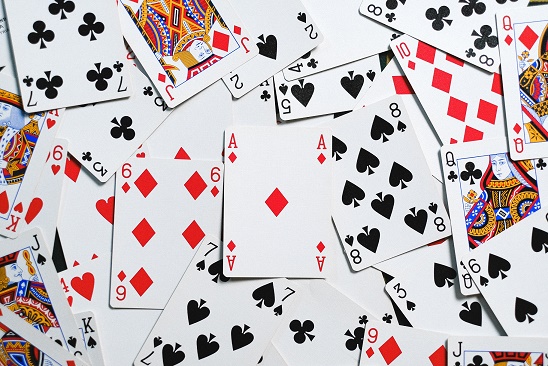
Additionally, the stakes amplify the emotional stakes involved in gameplay. The pressure to win not only increases the thrill but also heightens the overall experience, leading players to feel more alive in these moments. As players become more engrossed in the high-stakes environment, they may find themselves more willing to take risks, often ignoring the potential consequences of their actions in pursuit of that adrenaline high.
The Role of Social Dynamics in High-Stakes Games
Social interactions play a significant role in shaping the gaming experience in high-stakes environments. Players often engage in a communal atmosphere, surrounded by others who share the same thrill-seeking tendencies. This social aspect can intensify emotions, influencing decision-making and gameplay strategies. The camaraderie among high-stakes players can create an exhilarating environment, making individuals feel like part of an exclusive group.
Moreover, the presence of others can contribute to a phenomenon known as “peer pressure,” where players may feel compelled to take larger risks to assert their status within the group. These social dynamics can blur the line between rational decision-making and impulsive behavior, as players focus more on the excitement of the experience rather than potential financial setbacks.
Cognitive Biases and High-Stakes Gambling
Cognitive biases significantly influence how individuals perceive risk and reward in high-stakes casino games. One common bias is the “gambler’s fallacy,” where players mistakenly believe that past losses increase their chances of future wins. This flawed thinking often leads players to chase losses, further entrenching them in a cycle of risk-taking behavior. The illusion of control also plays a critical role; many players believe they can influence the outcome of games based on their strategies or choices.
These cognitive biases can cloud judgment, making it challenging for players to make informed decisions. Consequently, they may ignore the fundamental principles of probability and odds, leading to poor financial outcomes. Understanding these psychological traps can help players develop healthier gambling habits and recognize when their emotions are driving irrational decisions.
The Emotional Consequences of High-Stakes Gambling
The emotional rollercoaster associated with high-stakes gambling can have profound effects on players’ mental health. Winning a significant sum can lead to a euphoric high, while losses often result in feelings of despair and regret. This fluctuation in emotions contributes to a complex psychological state, where players may struggle to balance their highs and lows. As they chase the initial thrill of a win, they may inadvertently place themselves in precarious emotional situations.
Furthermore, the stress of high-stakes gambling can lead to anxiety and even depression for some individuals. As the stakes rise, the pressure to maintain financial stability increases, which can become overwhelming. Addressing the emotional impact of gambling is crucial for players, as it enables them to find healthier outlets for their excitement and cope with the inherent risks of high-stakes environments.

Raising Awareness Around Gambling and Mental Health
As the psychology of high-stakes casino games continues to be explored, it is essential to raise awareness about the mental health implications associated with gambling. Many organizations focus on providing support and resources for individuals who may be struggling with gambling addiction or its psychological effects. Understanding the intricate relationship between gambling and mental health can help players make more informed choices and seek help when needed.
Moreover, education about the psychological aspects of gambling can empower players to engage in healthier habits. By learning about cognitive biases, emotional responses, and social influences, individuals can better navigate their gambling experiences. Resources are available for those seeking assistance, emphasizing the importance of balanced and responsible gambling practices to foster a safe and enjoyable environment.